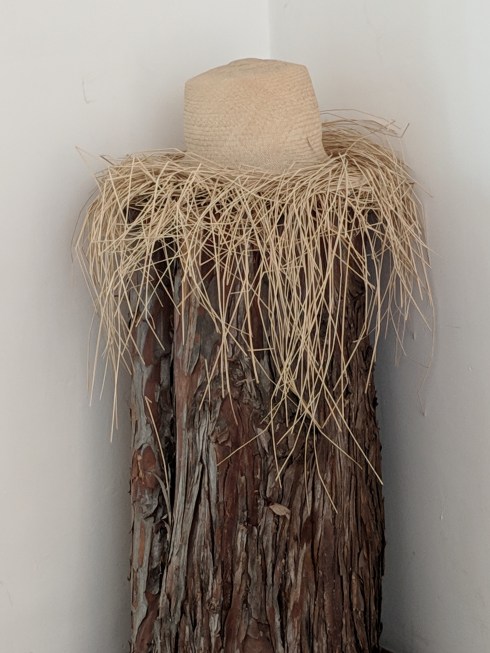
Since the mid 1600s the hats known as “Panama Hats” have been made in Ecuador. The craft began as a hobby like knitting and crocheting in homes in the Andean highlands and the coastal plains.

It wasn’t until the 17th and 18th century that the craft of fine straw weaving became a practice handed down from generation to generation.
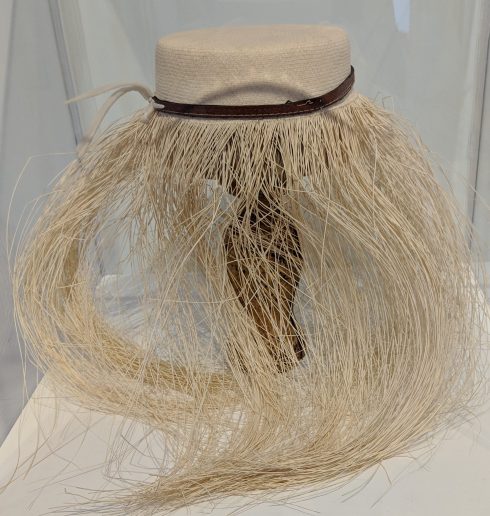
It took the California Gold Rush in the late 1840s for the world to discover the art of these hats. The miners would pass through Panama on the way to the gold fields on the west coast of the United States. The tightly woven Ecuadorian hats were perfect for the sun and rain of the gold fields. Thinking the hats originated in Panama the prospectors incorrectly identified their country of origin. The style spread to Europe and became a significant industry in Ecuador.
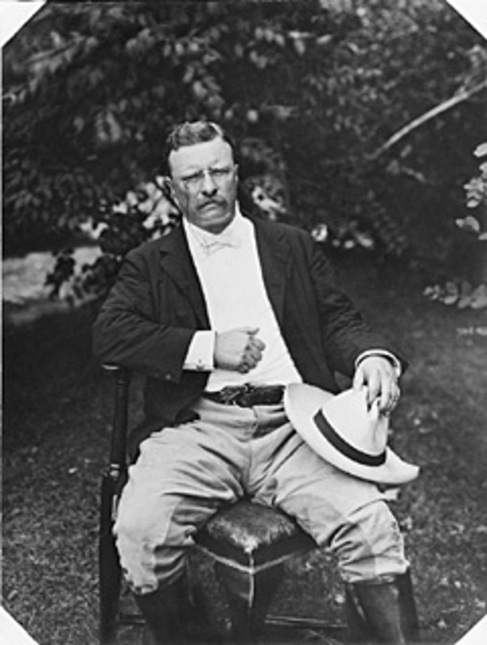
This mistaken identity was compounded when Teddy Roosevelt visited the Panama Canal in 1914 during its construction. Teddy, a flamboyant and bellicose promoter, posed for many photos with his unique head-gear. The style spread to Europe creating an expanding demand for the weavers of Ecuador.

In time the weaving of the soft and pliant toquilla straw fibers became finer and finer and the price of each hat rose. Today hat prices range from $30 to $20,000 or more. The rarest and most expensive Panama hats can have up to 3,000 weaves per square inch.
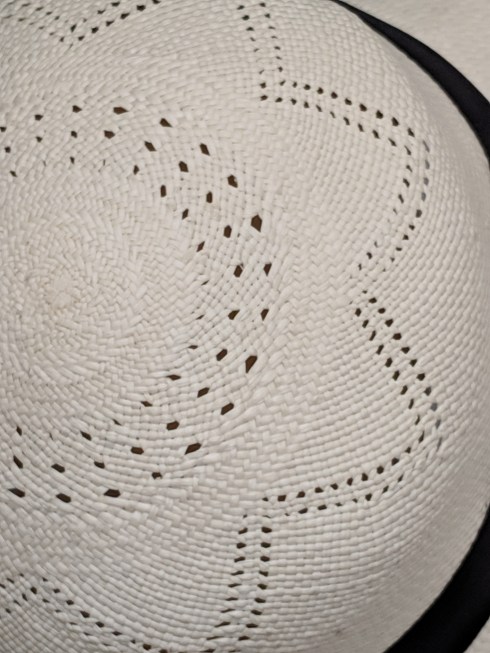
Though traditional Panamas are white or cream with thin black bands, straw is dyed and woven into designs and styles limited only by the whims of the weavers.
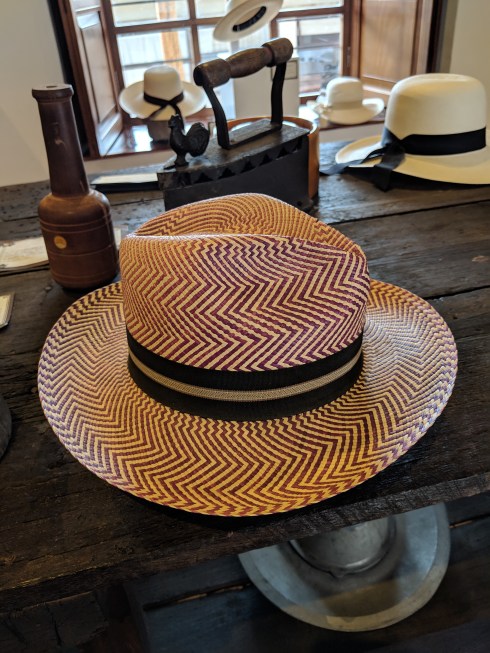
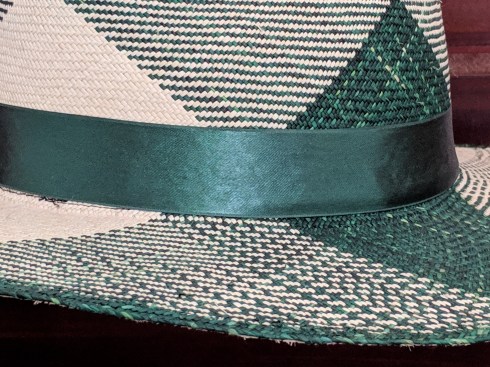

The more tightly woven the straw the better it withstands sun, wind and rain. It is said that the finest hats can be folded and fit through a wedding ring.
We are hoping to visit the small village of Chordeleg in the mountains outside of Cuenca. Chordeleg weavers are internationally known for the fineness of their weaving and traditional beauty of their art.
 MedFlies