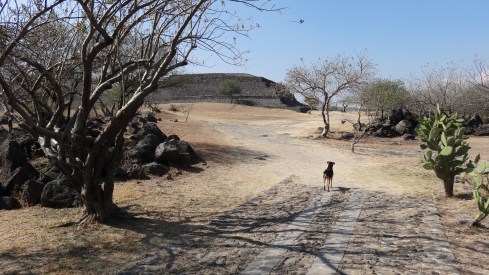
We took a day trip to Peralta, a Mesoamerican archeological site near San Jose de Peralta, about 1 and 1/2 hours from Guanajuato.
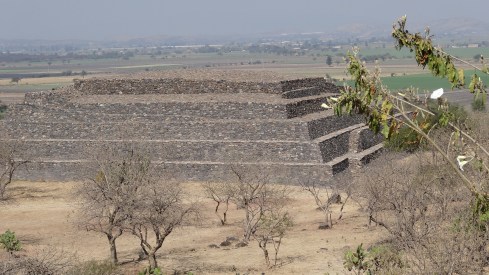
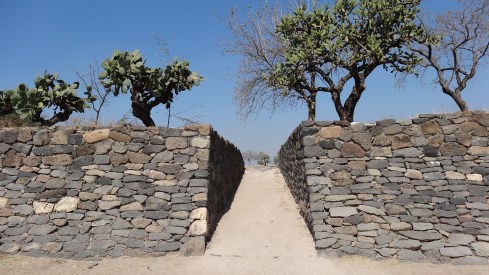 Originally settled about 100 AD by the Chichimecs, part of the Mayan civilization, who had been hunter gathers, the Peralta settlement is characterized by 22 pyramids found in the outlying areas.
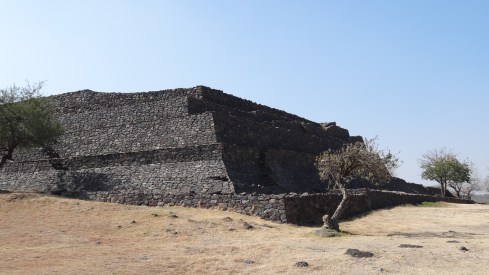
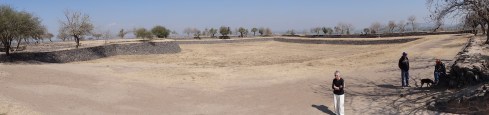
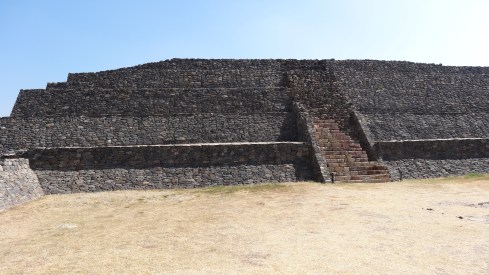
The most important structure in Peralta is a double temple with a “Patio Hundido” (sunken patio). The main structure, La Mesita (The Small Table) or Recinto de los Gobernantes (governors’ precinct) has a large plaza which may have been the main square for the city.
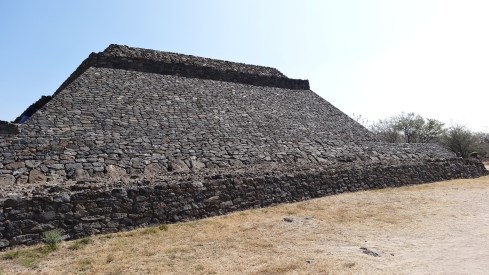
The priests and governors lived in casas at the top of the pyramid looking down on the central plaza. Games, religious and societal ceremonies were held in the large open space. Five other partially excavated sites with similar pyramidal structures lie in a surrounding pattern with access to Peralta, the governmental center. These outlying villages were believed to be mostly centered on agriculture.
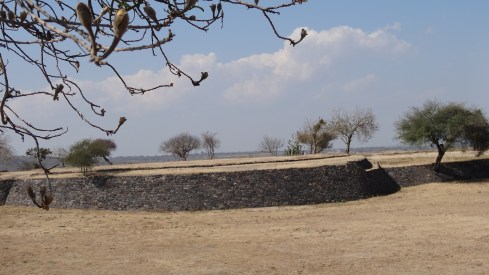
A large circular structure is common to prehispanic Mesoamerica. There is a large one here. The accuracy of the rock placement that creates the semi-circle is amazing.

Obsidian was important to the culture and was used for tools and weapons. We were able to see beautiful obsidian arrowheads and knives excavated on the site. The obsidian objects still glow today with a deep black glossy luster.
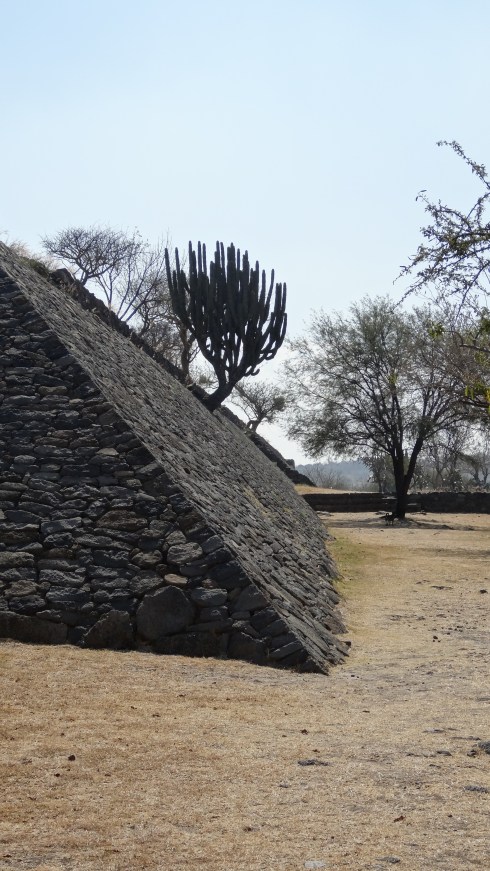
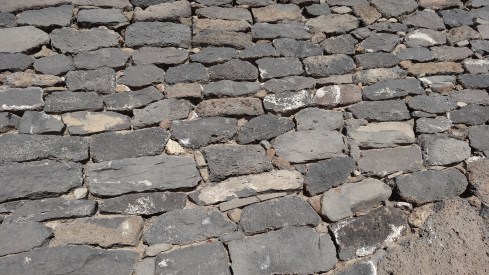
The angles of the structures are at a sharp 45 degrees. Stones fit tightly together to create impressive strength in the existing structures.
Centers, like Peralta, were thought to be part of trade routes between central Mexico through northern and western Mexico extending up to New Mexico and Arizona, now part of the U.S.
According to archaeologists the settlement declined and collapsed due to the over exploitation of the surrounding deciduous rainforest. Peralta was abandoned around 900 CE.
When you walk a site like Peralta, the weight of history is humbling. We fret so over the future of our own civilization. A visit to a settlement like Peralta puts our temporal concerns in perspective.
 MedFlies