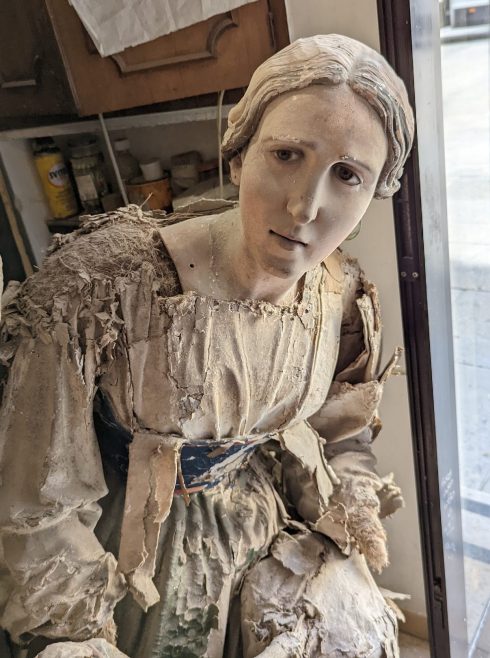
Cartapesta means papier mache (chewed up paper.) Before we entered the studios of Lecce’s papier mache artists my understanding of the art was limited to masks, pinatas and the giant puppet heads we saw at Bread and Puppet theater in Vermont and in the central plaza of San Miguel Allende in Mexico. The papier mache tradition unique to Puglia raises the genre to the level of fine art.
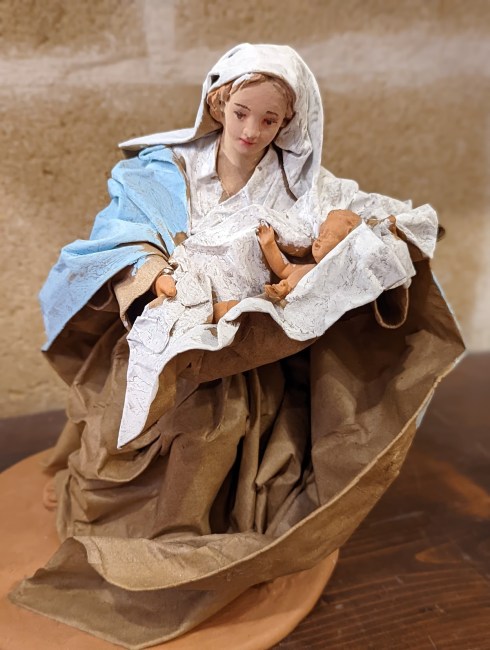
The craftsmen of Lecce discovered that the art of “plasticising” paper allowing them to create sacred works to help summon the faithful back to worship when the Counter-Reformation Church was engaged in its crusade against the Lutheran heresy.
Barbers were the first papier mache artists with their workshops in the back of their barber shops. The craftsmen did not have access to precious materials, so they were forced to make use of poorer resources such as straw, rags, glue and plaster.
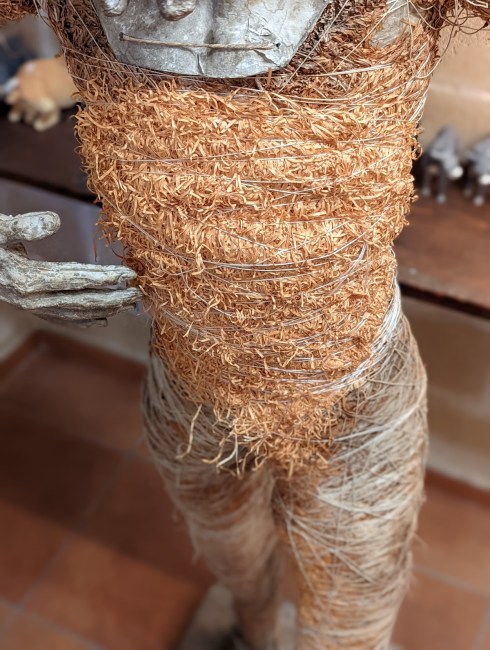
Creation of papier mache figures requires many painstaking processes depending on the scenes being created. It begins by building a wire structure which works as a skeleton and covering the structure with curly straw and hemp to define the body of the figure. The straw is then covered with the papier mache mixture which will be shaped into the final figure.
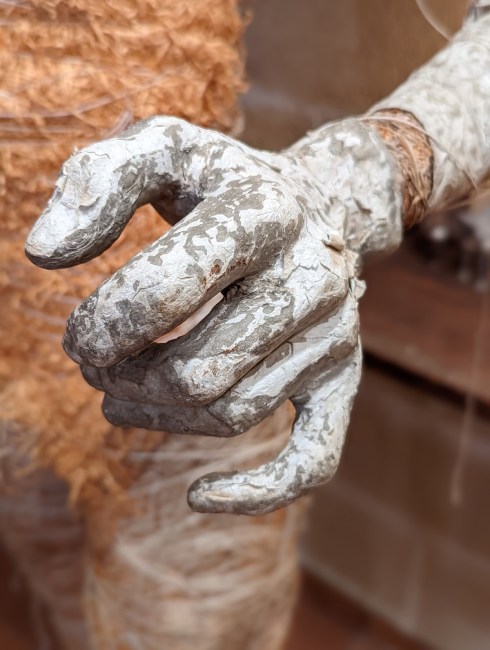
The processing of papier mache is a very ancient art and it is strongly anchored to the city of Lecce and Baroque architecture, which had maximum artistic expression during the seventeenth and eighteenth centuries. The papier mache is made of paper, water and glue but its versatility can reproduce more noble materials such as silver, marble or bronze. In the churches of Lecce papier mache can be found from walls, ceilings and pillars, to the decorative figures of saints and putti.
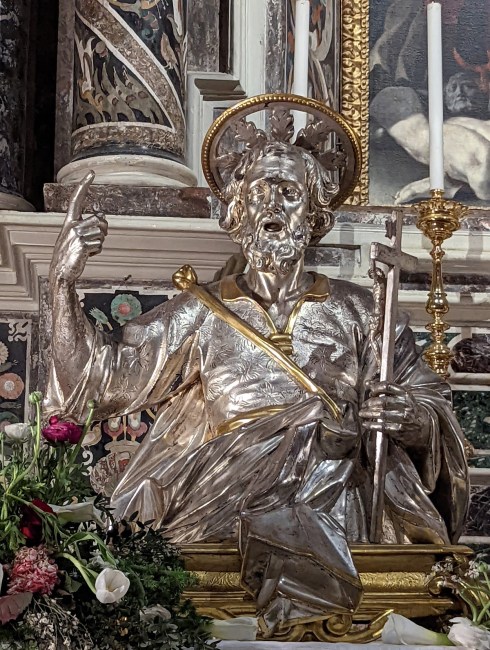
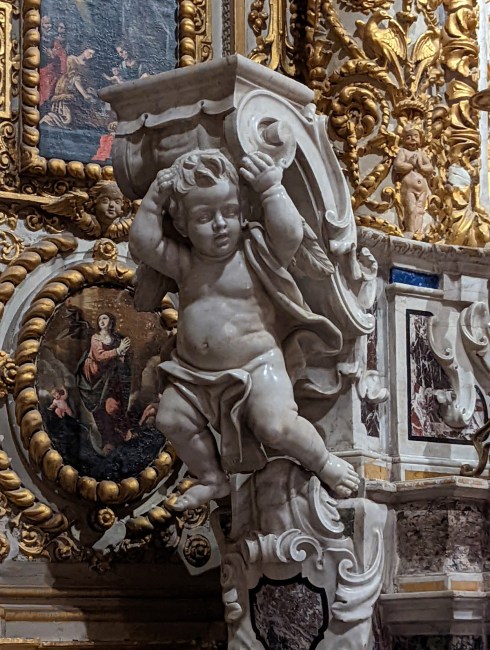
Papier-mache artists, like the stone carvers of Northern Italy who created myriad illusions with stone, the artists of Salento created realistic figures with straw, rags, glue and plaster.
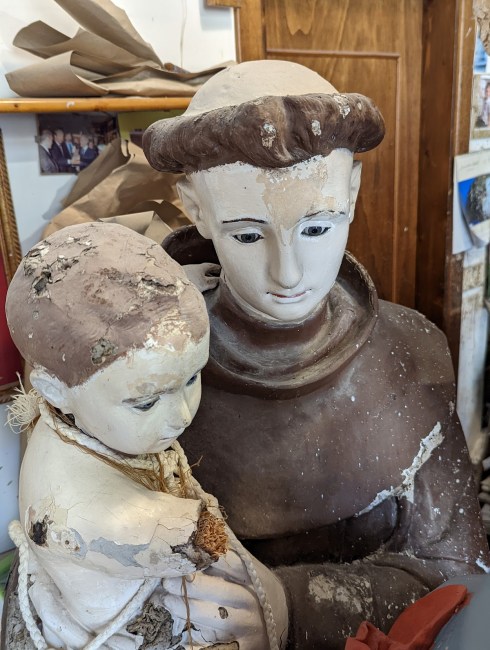

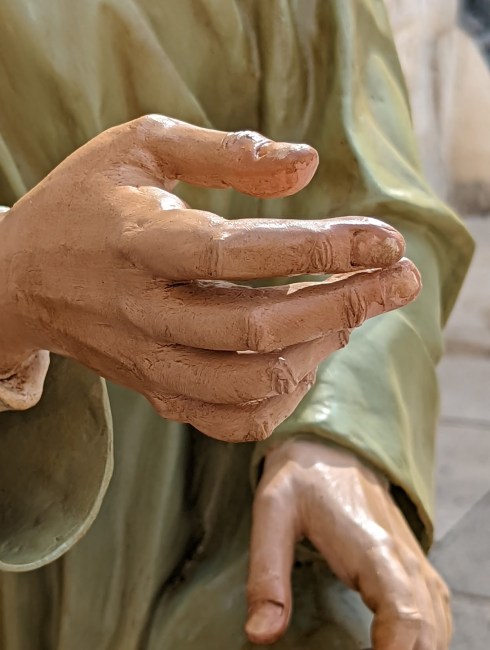
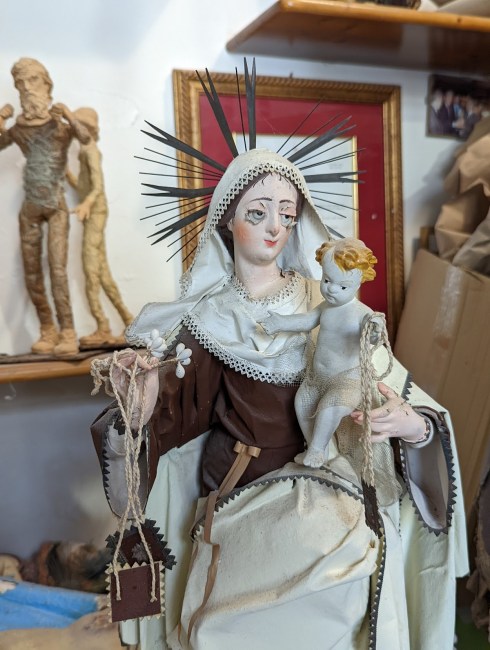

Some papier mache artists work on a larger and some on a smaller scale. Claudio Riso and his brothers, Giuseppe and Sandro follow the strict traditions of Salento in creation of their papier mache figures and scenes. The process of creation requires up to twenty-five different phases.
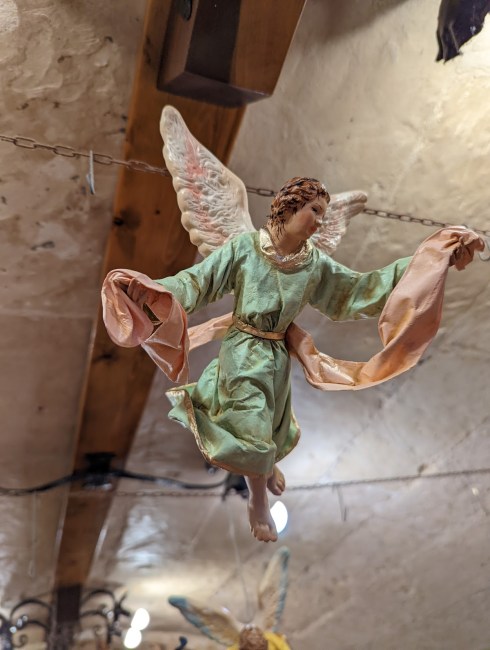
Claudio Riso creates the underlying wire structure and builds that out with curly straw. He covers the straw with papier mache then adds hands and feet of terracotta.

Giuseppe is the tailor of the group making papier mache clothes creating folds and modeling to give the figures movement and a realistic affect.
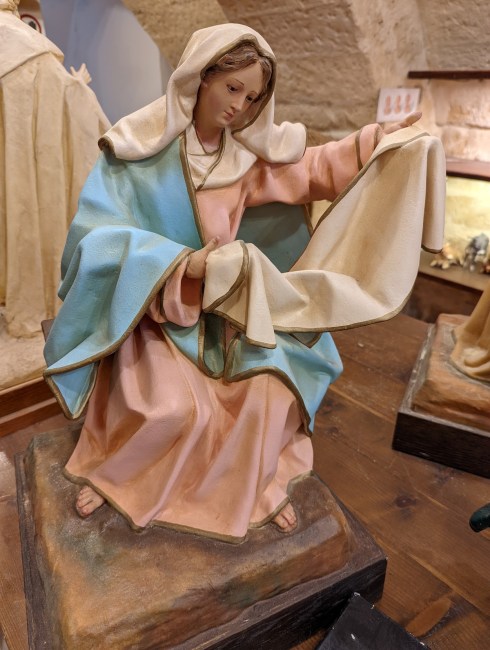
Sandro adds the coloring including the intricate details of the face and especially the eyes to create the soul of the statue.
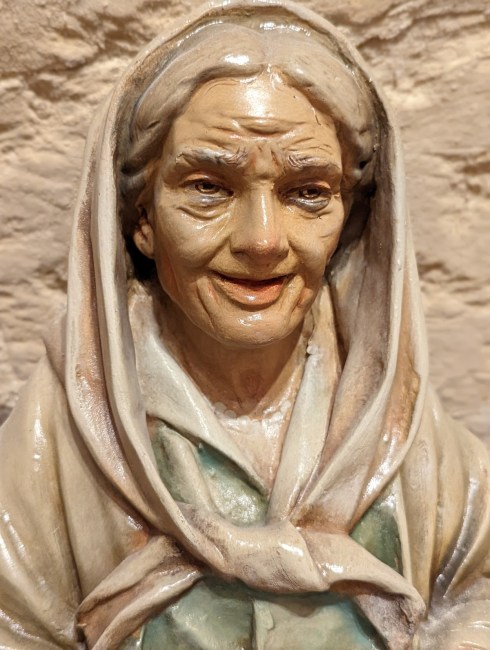
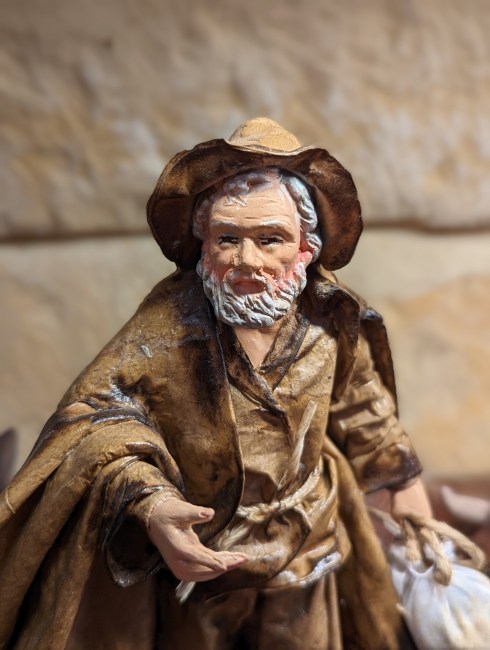
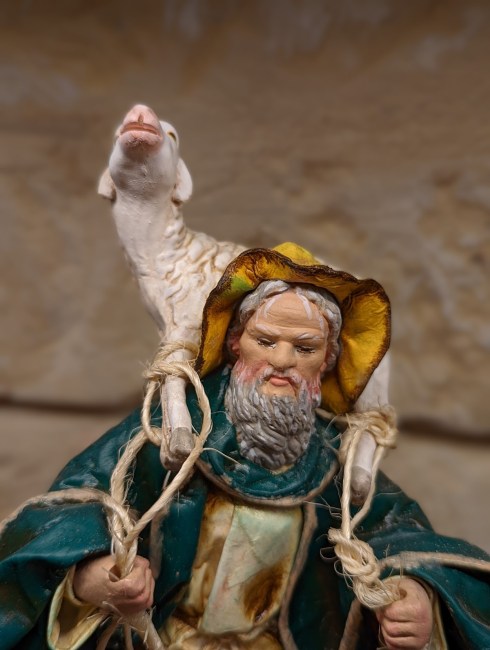
The work of the brothers is intricate and detailed, some including complete scenes of Italian country life.

Cartapesta has been called “the poor man’s marble.” Though it may have begun as a substitute for the more expensive carved marble of Northern Italian churches, it has grown into its own art form centered in Lecce. Whether a light as a feather basket of lemons that fits in the palm of your hand, a larger than life-size statue of the crucifixion or the curls and swirls, catouches and swags of a Baroque church interior, cartapesta is its own original art tradition.
 MedFlies