We caught a colectivo to go up the hill to the Parque Cultural Ex Carcel (The Cultural Park and Jail.) The taxi driver didn’t recognize where we wanted to go until we said “the jail” then he knew instantaneously.

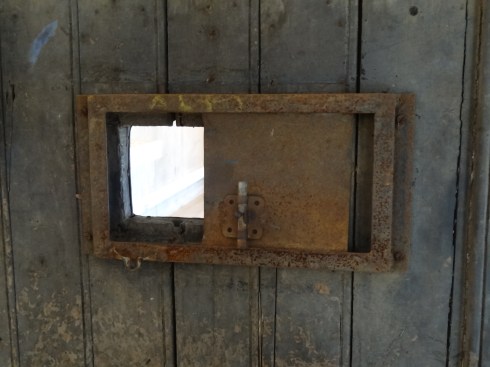
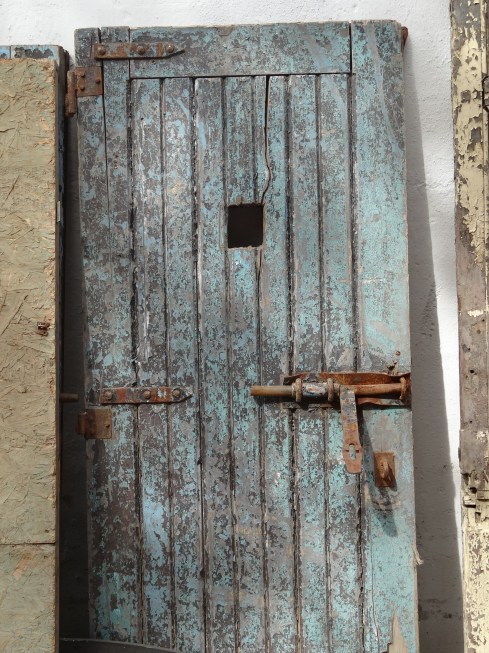
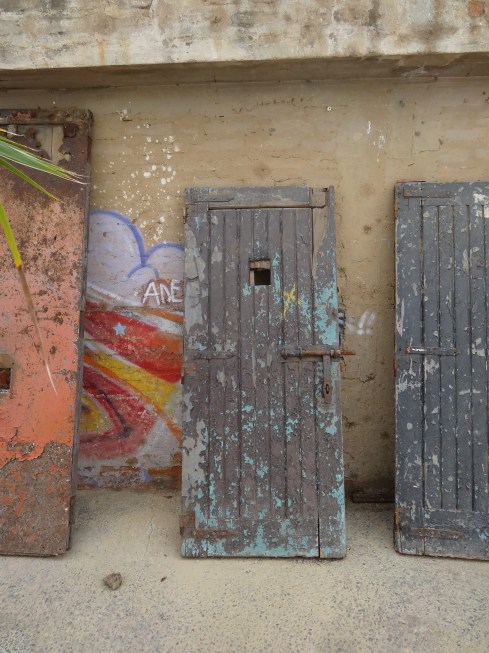
Originally a Spanish fort, the site was later converted into a jail where political prisoners were confined and tortured during the years of Pinochet’s dictatorship. The prison that gave this hill its name was closed in 1999. The crumbling remains of cell blocks and exercise yards have been turned into a museum and cultural park.

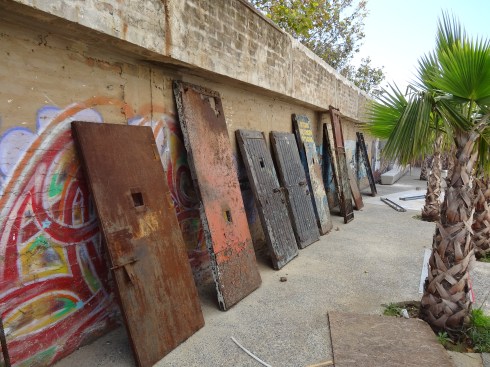
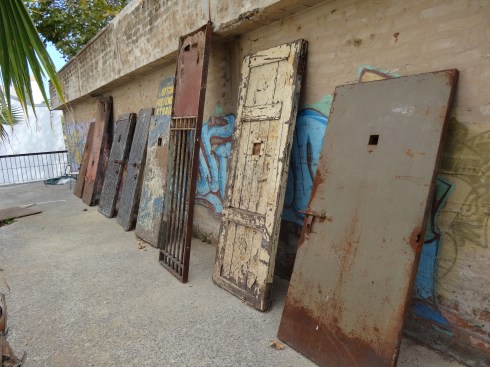
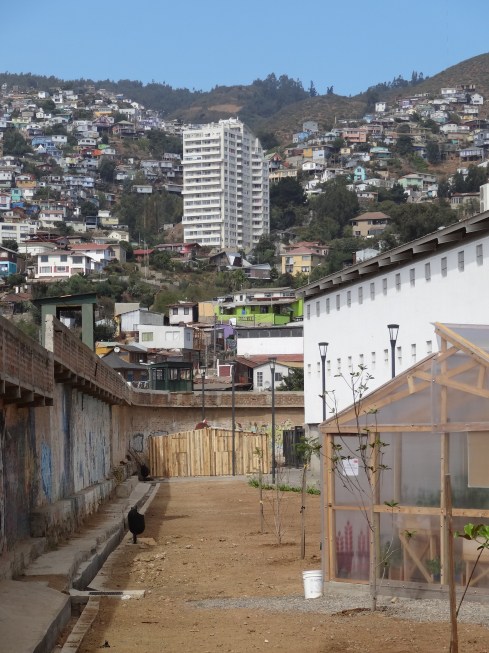
The prison is surrounded, 360 degrees, by the city of Valparaiso. Prisoners lived within the walls able to see and hear their city.
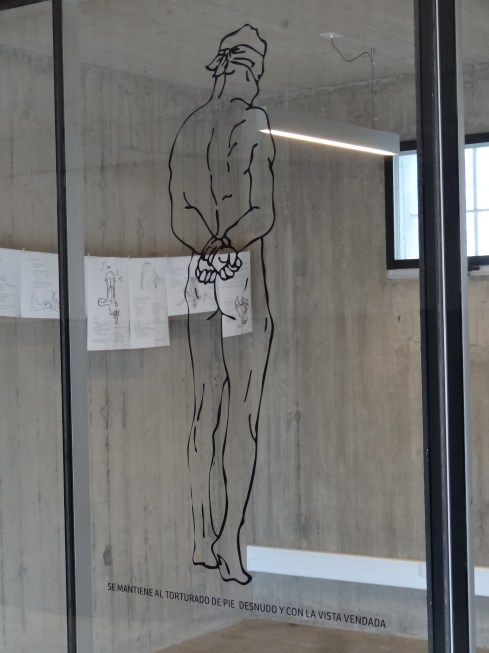
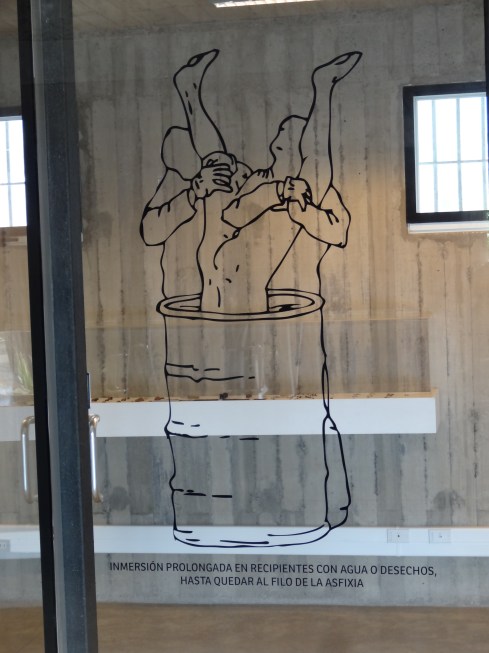
As you enter the museum a room is devoted to the history of the incarceration of artists, doctors, lawyers, trade unionists and communists under the Pinochet regime. Line drawings on glass detail some of the techniques used by the jailers. As many as 1,600 prisoners were kept in 200 tiny cells flanking a three level central walkway.

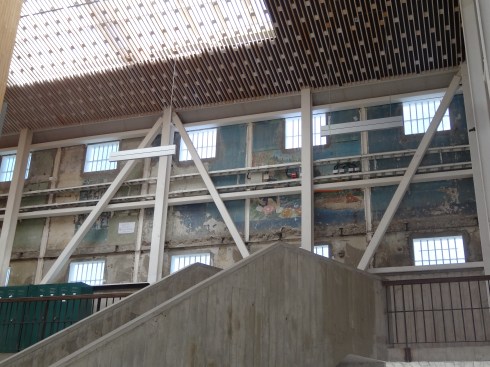
The cells were gutted but not entirely erased. The architects cut away everything until they were left with a shell and the remainders of color. art and inscriptions on the inner walls (you can just see some of the this through the new girders.) Prisoner’s voices provide a moving manuscript of lives lost.
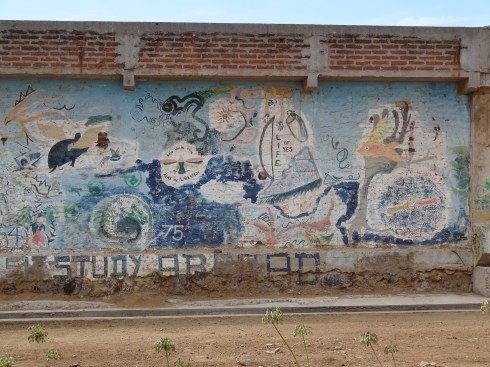
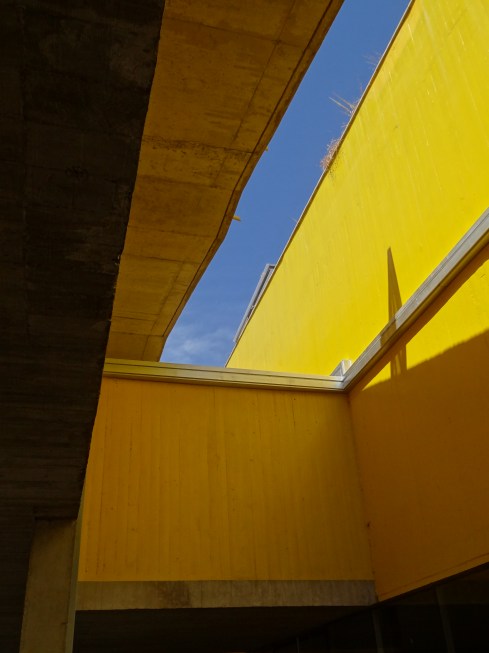
Valparaiso architects and artists turned a place of dread into a community of art. Modern architecture decorated with original graffiti by the prisoners offers a dramatic adaptation of the old prison with its tragic history.

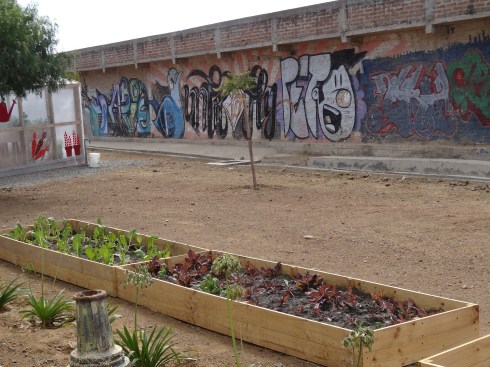
Here where political prisoners were tortured, artists now create, music dance and the visual arts in new spaces vibrant with color.


These are tough buildings for a community that has its share of poverty and crime. There is a giant digital mural covering the face of one of the new museum buildings. It shows the direction of the art displayed in the museum. Conceived and mounted by a group of Mexican artists, the mural combines images of antiquity with images of prominent activists.

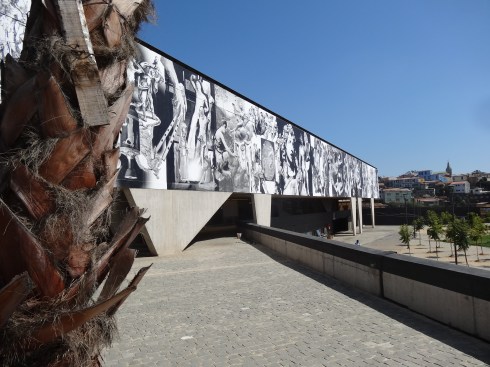

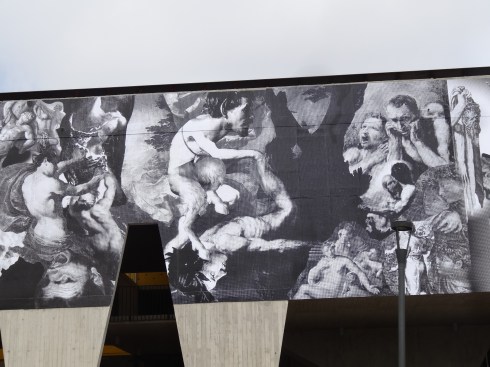
The piece captures the sense of history and activism that is at the heart of this museum.
 MedFlies