

Museo Del Oro Zenu is an elegant museum nestled on the plaza where we live. A descendent of the prominent Museum of Gold in Bogota, Colombia’s capital, this collection is much smaller and striking. The Zenu were an indigenous Pre-Colombian tribe known for their ornamental work in gold and other metals. Most designs combined gold, silver and copper in a combination known as tumbaga. These metals were symbolically charged in pre-Hispanic times being associated with the sun and moon.

Semi-circular, filigree earrings were made for almost 2000 years by the Zenu peoples found on the Carribean coast and in other contiguous regions in Colombia. The size of the earrings and nose rings vary as they were worn by all tribal members male and female and including children.

Unlike the filigree work where soldered strands form the design, these pre-Hispanic earrings were made using the wax casting method. Instead of strands of wire, the design was built with strands of wax. Artists modeled the final piece they wanted to achieve in beeswax. Once the figure was complete it was covered in fine clay and charcoal leaving pouring channels. The whole mold was fired, the molten wax flowed out and was replaced by molten metal. The metal solidified in the mold. The mold was broken and the final piece emerged to be polished and finished.

Often life forms were integrated into the metal designs. Living in a land that was constantly flooding, the the amphibious Zenu derived much of their sustenance from the surrounding water whether salt or fresh. Plants, trees, birds and all forms of aquatic life found their way into the designs.

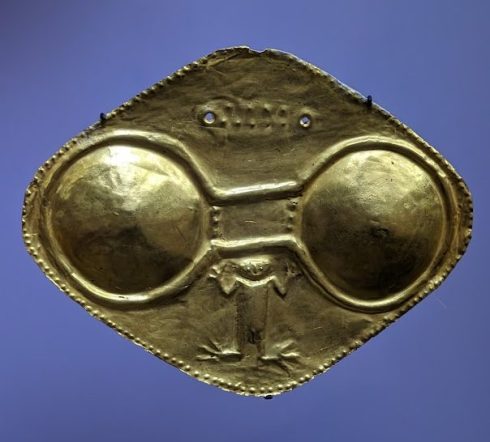

Hammered metal was another design method used by the Zenu. It was delicate as the metal easily becomes brittle when hammered. A patient process of repeatedly hammering, cooling and dipping results in the final form. The thin sheets of gold were then cut, decorated and joined by folding or clipping.

With the arrival of the Spaniards, the Zenu tribe almost died out due to excessive taxation, forced labor, and disease. The Zenú language disappeared around 200 years ago. However, the 2018 Colombian Census showed 307,091 Zenú people in Colombia.
 MedFlies
Hey there, This is fascinating. I’ve never heard of the Zenu people but I have seen those designs for earrings around The process is also v interesting. Thanks for sharing. xoxo Leah
Evidently this museum is just a taste of the extensive collection in the Museum of Gold in Bogota. I had heard of wax casting but was amazed at the intricacies of these designs and somehow polishing all of the surfaces. That and that we are looking at them still today.